



The Kibi Origin Story and a Certain “Wimpy” Kid
I remember clearly the day the Kibi idea first came to me. I was working in an international school library in Germany and noticed something curious. It didn’t matter if the students were in Grade 5 or Grade 9, or if they were reading in German or English… everyone wanted “Diary of a Wimpy Kid“.
Now, don’t get me wrong; I love Jeff Kinney as much as the next middle school bookworm. But still, I remember looking at agroup of 14-year-olds huddled
over those familiar hand-drawn illustrations and thinking, “Why this? Why still?”
The answer came to me pretty quickly: It was easy. I was giving these students free choice to read what they wanted, and they wanted a fun distraction, not a challenge. Honestly, I could relate. After a long day of teaching, I wasn’t always in the mood to pick up Dostoyevsky either. I wanted something that allowed me to enjoy the story without having to “work” for it.
I realized my students deserved that same opportunity.
The Maturity-Language Mismatch
By choosing Wimpy Kid, my students were showing me where their true level of comprehension was, and it was often lower than their grade level expected. These were bright, multilingual kids who had been at international schools their whole lives. Their English was great, but because it was their second (or third) language, books written for first language English 14-year-olds weren’t providing an appropriate challenge; they were providing a barrier.
This is the gap Kibi was built to bridge.
If I wanted my students to experience the joy of reading without it feeling like a chore, I had to be strategic. I had to find books that offered a developmentally appropriate plot for their age, but with language that invited them in rather than shutting them out.
We call these Bridging Reads. They are the magic middle ground where a student’s intellectual maturity finally meets their language level.
Kibi Quick Picks
Looking for an alternative for the Wimpy readers in your life? Check these out.
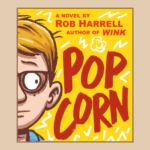 Popcorn
By Rob Harrell
The hybrid format combining sparse text with expressive spot art reduces reading fatigue and provides visual context for key moments, such as Andrew’s panic during a classroom meltdown or his grandmother’s confusion.
By blending laughter with vulnerability, it invites readers to see their own anxieties reflected and reframed. View on Kibi
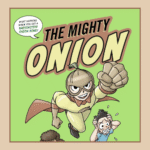 Hero The Mighty Onion (Series)
By Mark Crilley
This is an excellent resource for students needing scaffolded support. Its dyslexia-friendly design—featuring large text, generous white space, and frequent illustrations—reduces the “cognitive load,” making every page feel manageable. View on Kibi
Join the Mission
We love to share what we’re reading, but we can’t do it alone. Here is how you can help us grow:
Share: Send this post to a parent, teacher, or librarian who is currently struggling with a reluctant reader.
Review: Have you used one of these books? Find it on our site and leave a quick comment to help other educators.
- Subscribe: Click the button below to subscribe and get all the latest Kibi news, directly in your inbox.