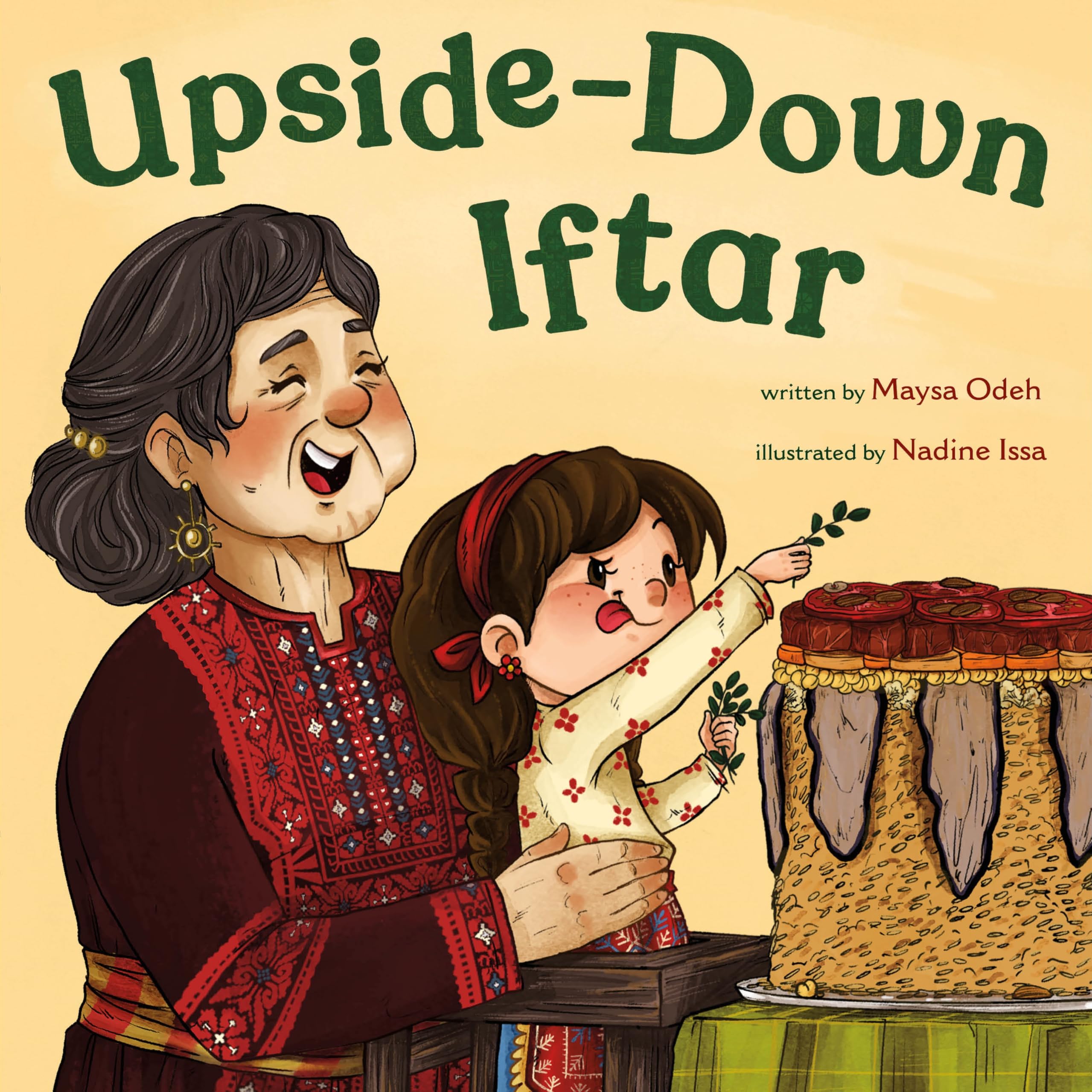
Rabiah York Lumbard’s Upside-Down Iftar is a vibrant picture book for elementary readers that explores the values of Ramadan through the eyes of a young boy named Nabil. As Nabil prepares for his first fast, he envisions a perfect evening filled with his favorite traditional foods and a flawless celebration. However, the story takes a turn when things do not go according to his specific plan, leading to a series of “upside-down” moments that challenge his expectations of what a celebration should look like. This title is a standout choice for teachers supporting English language learners or students who prefer visual storytelling over dense prose. The illustrations work in tandem with the text to define specific cultural concepts, such as the ‘suhoor’ meal or the evening prayer, without requiring a separate glossary for comprehension. The language is direct and uses rhythmic, repetitive structures that help newer readers predict the flow of the story. By focusing on sensory details—the smell of the kitchen, the rumble of a hungry stomach, and the warmth of a crowded table—Lumbard creates a reading experience that feels familiar to any child who has ever waited for a special event, regardless of their native language or cultural background.
As a tool for global citizenship, this book aligns with SDG 2 (Zero Hunger) and SDG 10 (Reduced Inequalities). The narrative emphasizes the tradition of charity and the ethical responsibility to ensure everyone in a community has enough to eat. Nabil’s growth throughout the evening reflects the IB Learner Profile traits of being ‘caring’ and ‘reflective.’ He moves from a self-centered focus on his own hunger to a genuine appreciation for the collective experience of his family and guests. Educators can use this book during a unit on community systems to show how shared meals act as a social safety net. For instance, a teacher might ask students to use the illustrations to identify signs of hospitality and then brainstorm ways their own school could practice similar inclusion. The accessible format ensures that students with varying reading levels can join the discussion on equal footing, using the pictures to support their ideas about why Nabil’s final realization is so important. Ultimately, Upside-Down Iftar provides a clear example of how personal traditions can lead to broader social awareness, giving students a concrete model for how to treat others with respect and kindness.