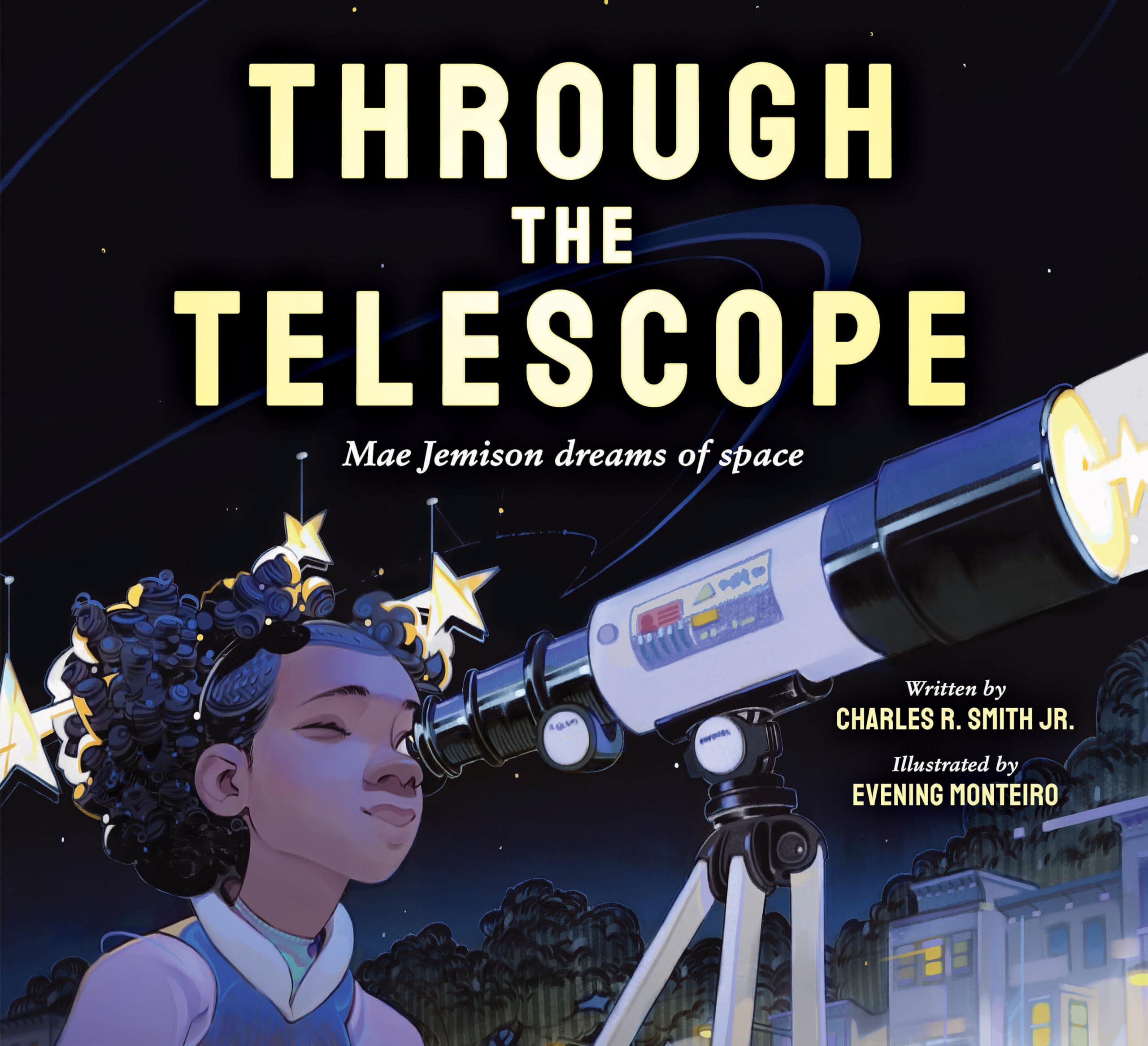
In her middle-grade debut, Through the Telescope, author Elena Vance introduces us to Leo, a quiet twelve-year-old living in a cramped urban apartment who feels insignificant until he discovers an old brass telescope in his grandfather’s attic. This contemporary realistic fiction story follows Leo as he charts the stars, eventually finding a connection with a neighboring girl, Sam, who is fighting to save their local park from industrial development. For students who find traditional novels daunting, this book is an ideal “bridging” choice. It utilizes a verse-novel format with generous white space on every page, ensuring that reluctant readers aren’t overwhelmed by dense blocks of text. The vocabulary remains grounded and direct, while the inclusion of labeled star charts and constellation diagrams provides essential visual scaffolding. These features allow English language learners to grasp the literal plot of the stars while following the figurative growth of the characters, a feat that earned this title a starred review for its thoughtful approach to accessibility.
As well as the technical reading supports, this story serves as a vibrant “Changemaker” tool by anchoring its narrative in SDG 11: Sustainable Cities and Communities and SDG 15: Life on Land. As Leo and Sam transition from observers of the sky to defenders of their local green space, they embody the IB Learner Profile trait of being reflective. They don’t just see a problem; they consider their place within the ecosystem and decide to act. In a classroom setting, a teacher might use the telescope as a metaphor for focus—encouraging students to look closely at their own neighborhoods. The simple, rhythmic prose makes it possible for students with varying reading levels to engage in sophisticated debates about urban sprawl and environmental justice. By stripping away linguistic barriers, Vance ensures that the message of student agency isn’t reserved for only fluent readers. Instead, it provides a clear path for every child to see themselves as a guardian of the world, proving that a high-interest topic and a supportive format can turn a hesitant reader into an informed advocate.