Will a forgotten garden and a mysterious melody be enough to help a lonely boy find where he truly belongs?
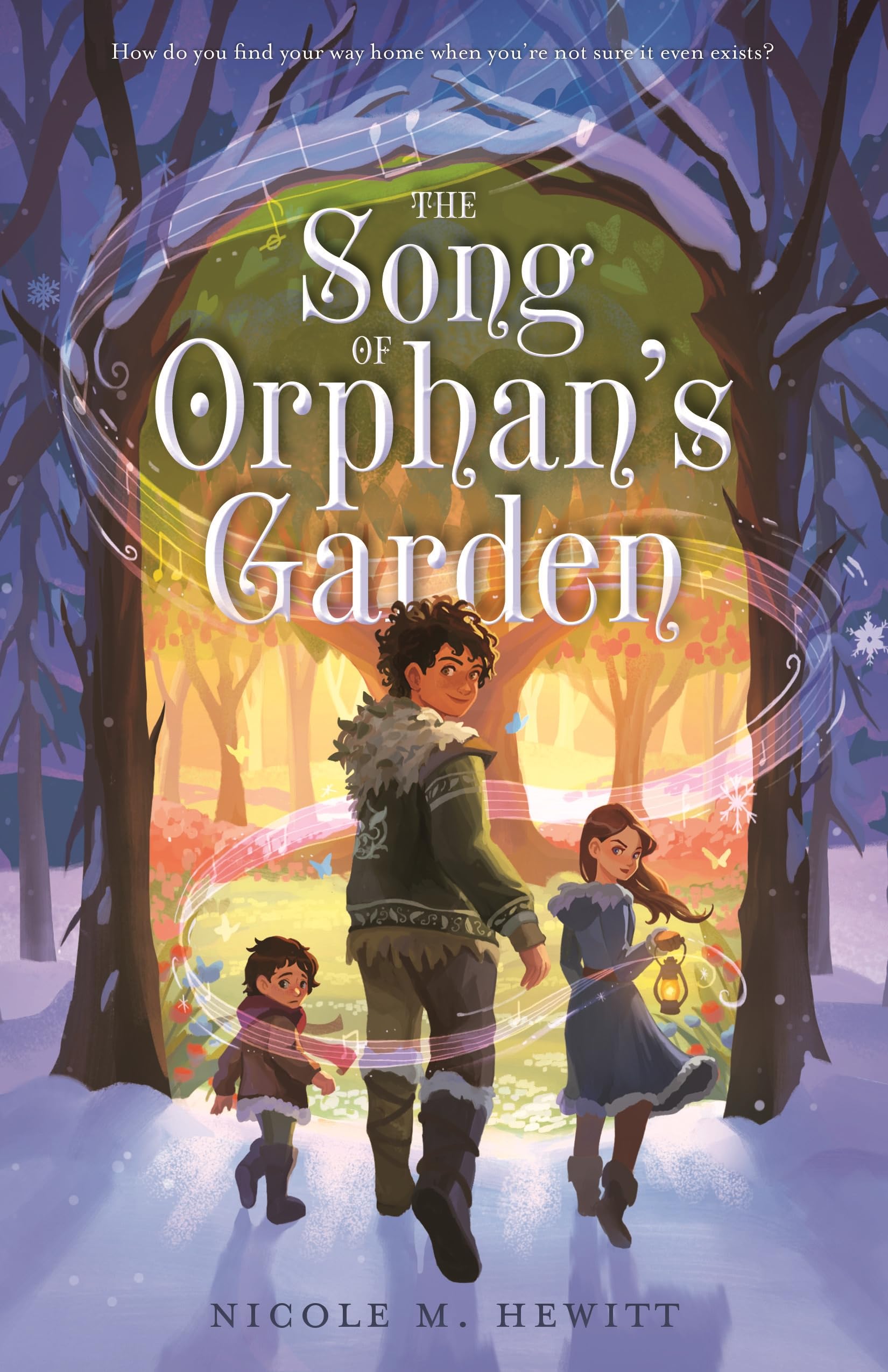
In The Song of Orphan’s Garden by J.R. Potter, we meet a young protagonist named Pip who lives in a somber, strictly run orphanage. The story sits comfortably in the magical realism genre, aimed at middle-grade readers who enjoy a blend of mystery and nature. Pip’s life changes when he discovers a hidden, overgrown garden that seems to react to his presence. As he spends more time among the ancient trees and strange flowers, he hears a recurring song that hints at a secret history linked to his own past. Alongside a small group of fellow outcasts, Pip must protect this sanctuary from a headmaster who wishes to pave it over, learning in the process that his own voice has more power than he ever imagined.
This book is an excellent addition to any collection serving English language learners or students who are building reading stamina. While the themes are sophisticated and atmospheric, the physical structure of the text is highly supportive. Potter uses short, punchy chapters that provide frequent “finish lines,” preventing reluctant readers from feeling fatigued. The vocabulary is rich but remains accessible through context clues and frequent, detailed sketches of the garden’s flora and fauna. These illustrations act as a visual glossary; for instance, when Pip describes a “gnarled, silver-barked willow,” the accompanying drawing allows a student to immediately connect the descriptive adjectives to the image. The sentence structures are predominantly active and direct, which helps readers who find complex, multi-clause sentences confusing. By offering a high-stakes, magical plot with these built-in supports, The Song of Orphan’s Garden empowers students to tackle a full-length novel with confidence.