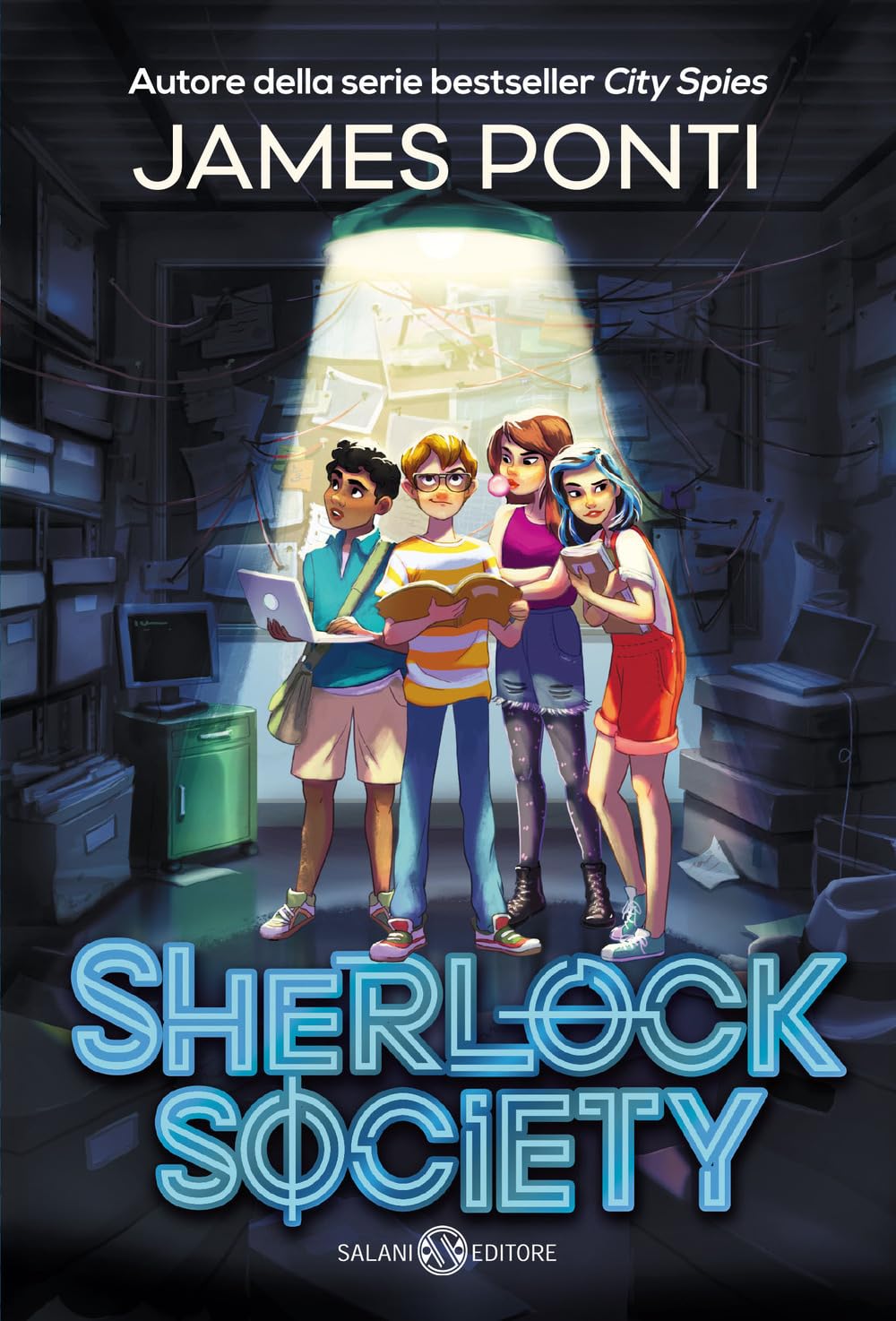
James Ponti, an Edgar Award-winning author known for his sharp wit and clever puzzles, introduces a new group of investigators in The Sherlock Society. The story follows siblings Alex and Zoe Sherlock, who decide to spend their Florida summer running a professional detective agency. Along with their friends Lina and Yadi—and a grandfather who provides both a vintage Cadillac and a library of unsolved files—the team begins by hunting for a legendary treasure linked to the gangster Al Capone. What starts as a historical scavenger hunt near Miami quickly evolves into a high-stakes mission on a remote island in the Everglades. The book has already earned significant acclaim, including starred reviews from School Library Journal and Publishers Weekly, which celebrated its blend of humor, history, and heart.
This mystery provides an excellent entry point for discussing SDG 15 (Life on Land) and SDG 6 (Clean Water and Sanitation) because the “treasure” the group eventually uncovers is actually evidence of corporate corruption and toxic waste. Rather than just observing the problem, the characters act as principled investigators who refuse to look the other way when the ecosystem is at risk. Teachers can use this narrative to anchor a science or social studies unit on environmental justice. For example, a class could mirror the characters’ detective work by researching local environmental issues and drafting their own action plans to protect nearby natural resources. By showing young people who use research and photography to expose corporate wrongdoing, Ponti offers a realistic model of student agency. It demonstrates that being a changemaker starts with asking the right questions and having the persistence to follow the evidence where it leads.