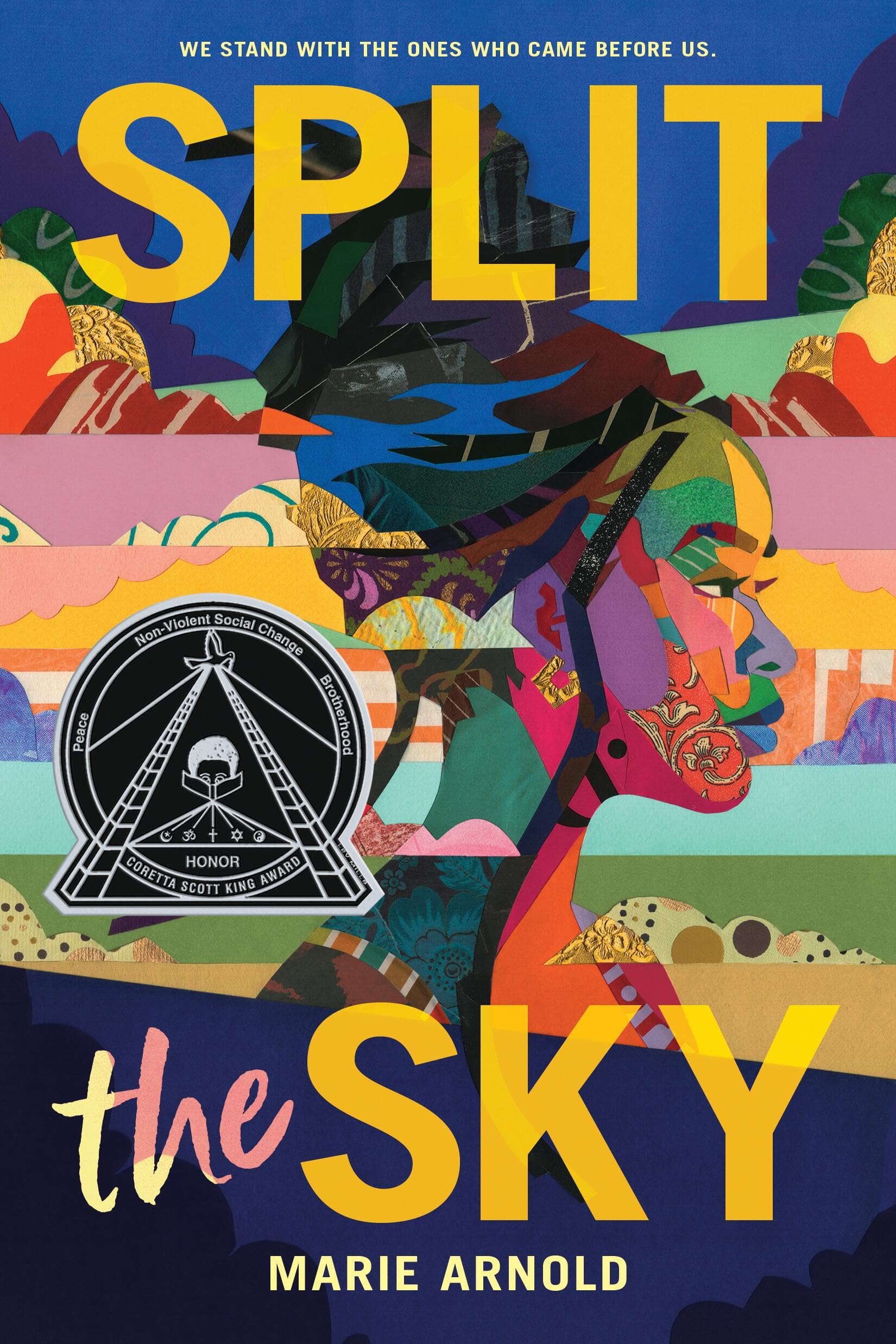
In Split the Sky, Marie Arnold delivers a gripping piece of young adult literary fiction that feels both timeless and urgently modern. The story centers on Lala Russell, a gifted Black cellist living in Davey, Texas—a place where the shadows of its identity as a sundown town still loom large. Lala is dealing with the pressures of her musicas well as her inherited “Flashes,” prophetic visions passed down through the women in her family. When she sees a vision of a classmate’s impending death, she faces a gut-wrenching ultimatum. Her grandmother insists that this specific tragedy is the catalyst required to ignite a movement for racial equity, warning Lala not to interfere with the timeline. This highly acclaimed novel, which secured starred reviews from Booklist and Publishers Weekly, uses a touch of magical realism to ground a very real exploration of the exhaustion and bravery required to live in a space defined by systemic prejudice.
For teachers looking to address UN SDG 10: Reduced Inequalities, this narrative offers a profound look at the friction between personal ethics and societal shifts. It perfectly mirrors the IB Learner Profile attribute of being principled, as Lala must decide if she can live with the consequences of her inaction or the fallout of her intervention. In a classroom setting, this story provides a vivid foundation for an ethics-based unit. Students might be asked to step into Lala’s shoes: is a single life a fair price for a revolution? This dilemma moves the conversation about social justice away from slogans and into the messy reality of human choice. By linking Lala’s journey to a project on musicians who used their art for advocacy or a history lesson on the intergenerational nature of the civil rights movement, educators can help students see how their own talents can become tools for change. It is a story that demands reflection on what it truly means to take a stand when the stakes are at their highest.