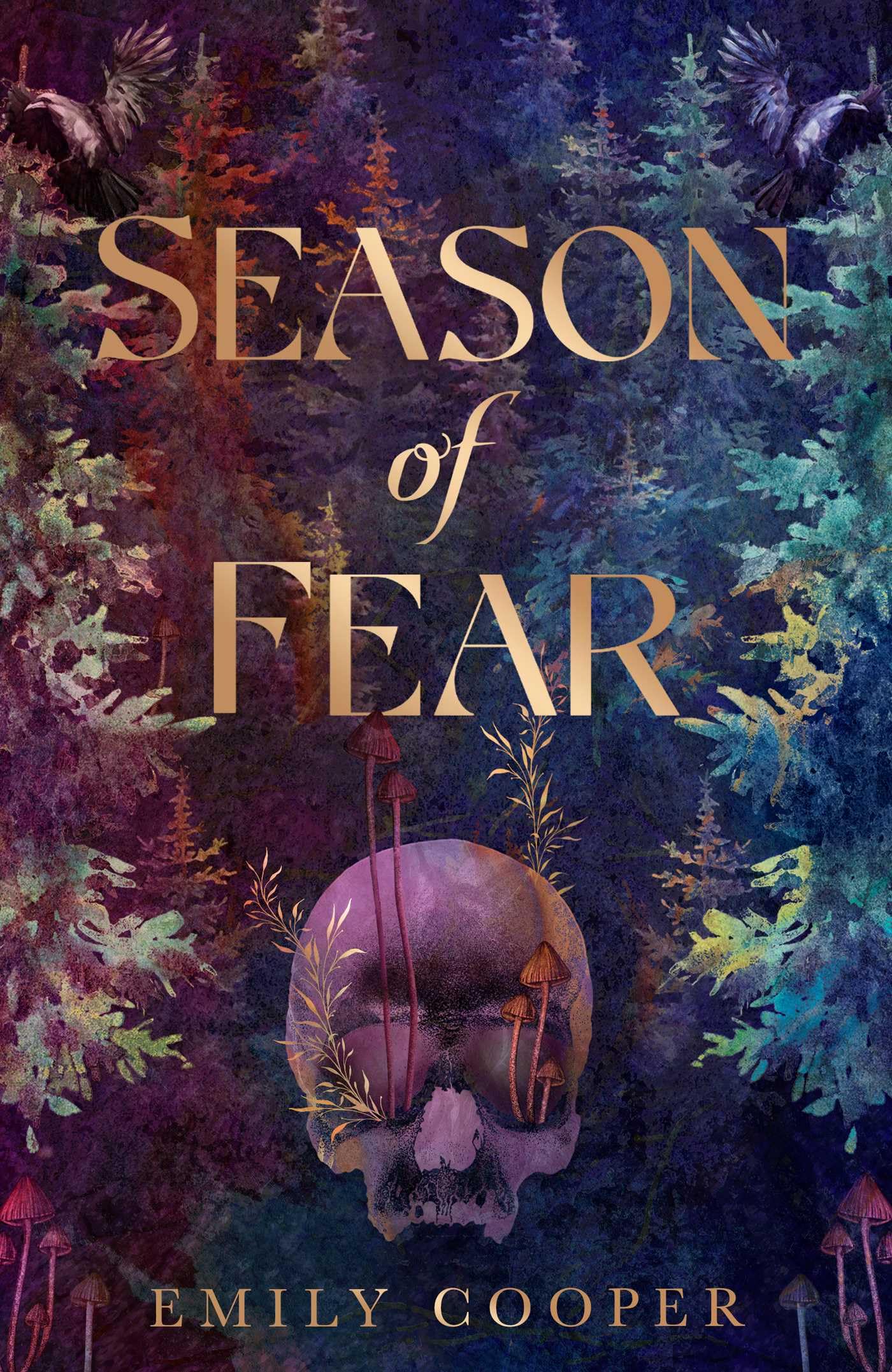
Emily Cooper makes a striking entrance into young adult literature with her debut, Season of Fear. This Gothic horror story, which secured its place on shelves following a competitive four-way auction among major publishers, introduces us to the isolated village of Heulensee. In this community, a grim tradition persists: women must surrender their fear to an ancient “Saint” to shield their neighbors from the monsters lurking in the nearby Hexenwald forest. Ilse Odenwald is an outsider because she was born without the ability to feel fear, making her useless to the Saint’s appetite. When this entity threatens to devour her sister, Ilse ventures into the forbidden woods to find the emotion she lacks. What she discovers instead is a web of secrets that challenges the very foundation of her society. Endorsed by bestselling authors for its hauntingly poetic prose, the book provides a visceral look at what happens when the “monsters” we fear are actually parts of a broken, systemic tradition.
This novel is a must for school collections looking to highlight UN Sustainable Development Goal 5: Gender Equality. While the setting is a fantasy world inspired by Bavarian folklore, the central conflict mirrors real-world structures where women are expected to carry the emotional weight of a community’s stability while sacrificing their own agency. Ilse serves as a clear example of the IB Learner Profile trait of being principled. Rather than continuing to try and “fix” herself to fit the village’s expectations, she begins to question why such a parasitic system is allowed to exist in the first place. Teachers can use Ilse’s journey to prompt students to look at historical or contemporary examples of communities where certain groups are forced into restrictive roles in the name of tradition. By examining how Ilse chooses to dismantle an oppressive system rather than simply surviving within it, a class could develop projects that compare old-world myths with modern social justice movements. The story shows students that true change often begins by refusing to feed the “Saints” that thrive on our silence.