Who says the face of American farming has to be a man in a tractor?
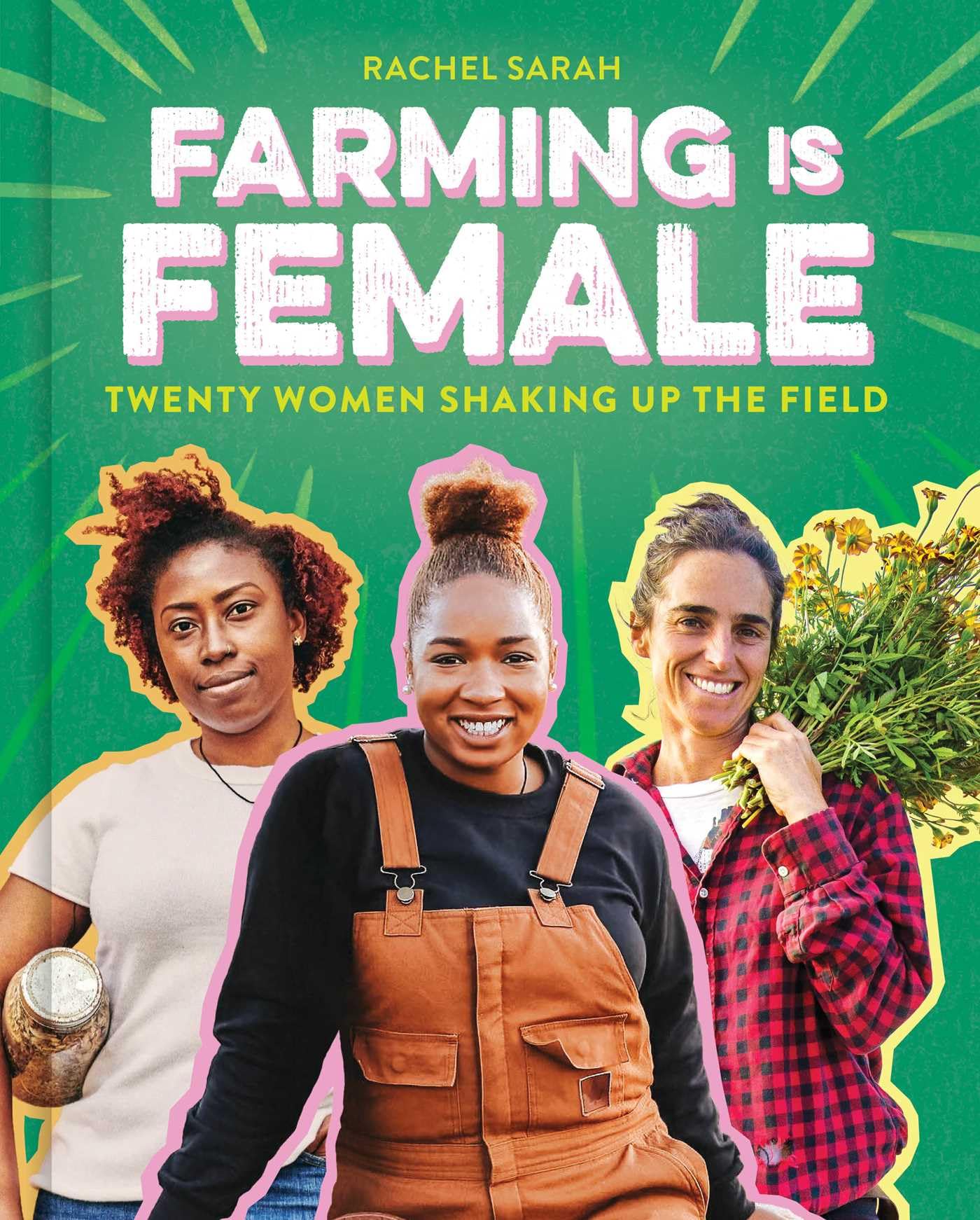
In Farming Is Female, author and climate journalist Rachel Sarah introduces middle-grade readers to over twenty women who are completely transforming the landscape of American agriculture. This nonfiction title moves far beyond traditional stereotypes to highlight homesteaders, policymakers, and activists who are rethinking how we treat our soil and our communities. Sarah explores the intersection of food justice and environmentalism through personal interviews that make these serious topics feel both personal and urgent. The book has already earned critical praise, with Kirkus Reviews describing the work as a nourishing and inspiring bounty of STEM opportunities for young learners. By focusing on women who blend community organizing with climate-conscious techniques, Sarah provides a refreshing and necessary look at a profession that is vital to our survival but often overlooked in modern education.
This book is a standout choice for any collection focused on global sustainability because it anchors abstract goals like SDG 2 (Zero Hunger) and SDG 13 (Climate Action) in tangible, real-world practice. Instead of just reading about the theory of food scarcity, students see how these women build equitable systems to feed their neighbors responsibly while protecting the Earth. Educators can easily link these narratives to the IB Learner Profile traits of being caring or principled, showing what it looks like to lead with empathy and integrity. For instance, a teacher might use these stories to launch a “farming for change” project where students map the origins of their school cafeteria meals or start small-scale gardening experiments to learn about agricultural sustainability. Because the text includes hands-on activities and actual recipes, it moves the learning experience from the page to the pantry. It demonstrates that taking a stand for the planet often starts with the very simple, dedicated act of growing something to share. This approach helps students realize they have the agency to influence their local food systems right now, simply by asking “Who grows my food?” and looking for ways to champion environmental responsibility in their own backyards.