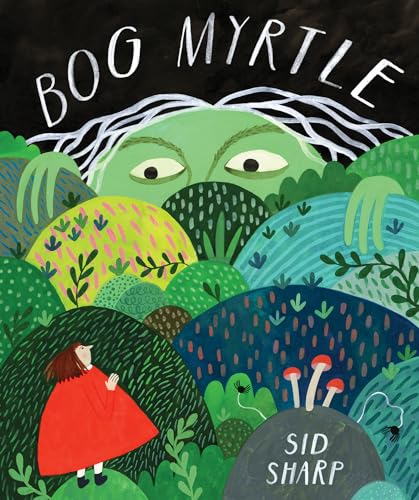
Sid Sharp, the creator behind The Wolf Suit, returns with Bog Myrtle, a standout early-reader graphic novel that has a modern folk tale feel. The story follows two sisters, Beatrice and Magnolia, who live in a drafty house alongside a community of helpful spiders. While Beatrice is content gathering treasures from the forest, Magnolia is driven by a desire for more. When Beatrice receives a skein of magical yarn from a giant forest spider witch, the spiders help knit a warm sweater for the sisters. However, Magnolia sees a business opportunity and quickly transforms their home into a high-speed factory, forcing the spiders into grueling, mass-production labor. This book has already earned a Moonbeam Gold Award and an Eisner nomination, and for good reason. For students who find dense blocks of text intimidating, the graphic novel format is a perfect fit. Sharp’s full-color, folk-art illustrations work by showing emotions and pacing the story so that even readers with lower language confidence can follow along. The sentences are kept short and direct, making the dark humor and whimsical atmosphere approachable for the 8-to-12-year-old audience.
Bog Myrtle is a fantastic tool for introducing big concepts like labor rights and sustainable production in a delightful way. It aligns perfectly with UN Sustainable Development Goals for Decent Work (SDG 8) and Responsible Consumption (SDG 12), while also highlighting the importance of being principled and caring. When the spiders finally decide they’ve had enough of Magnolia’s greed and go on strike, it provides a concrete, easy-to-understand example of collective action. In a classroom, this story could be used to spark a debate about what makes a workplace “fair” or to have students design their own posters for a “Fair Trade Factory.” Because the visuals clarify complex terms like “exploitation” or “sustainability,” English language learners can join the conversation about industrial ethics without being tripped up by academic jargon. It’s rare to find a book that feels lighthearted while tackling the consequences of unchecked greed so effectively. By showing the spiders standing up for themselves, Sharp gives kids a blueprint for recognizing unfairness and understanding that even the smallest members of a community have the right to fair treatment. This story serves as a powerful way to build both reading stamina and a sense of social responsibility.