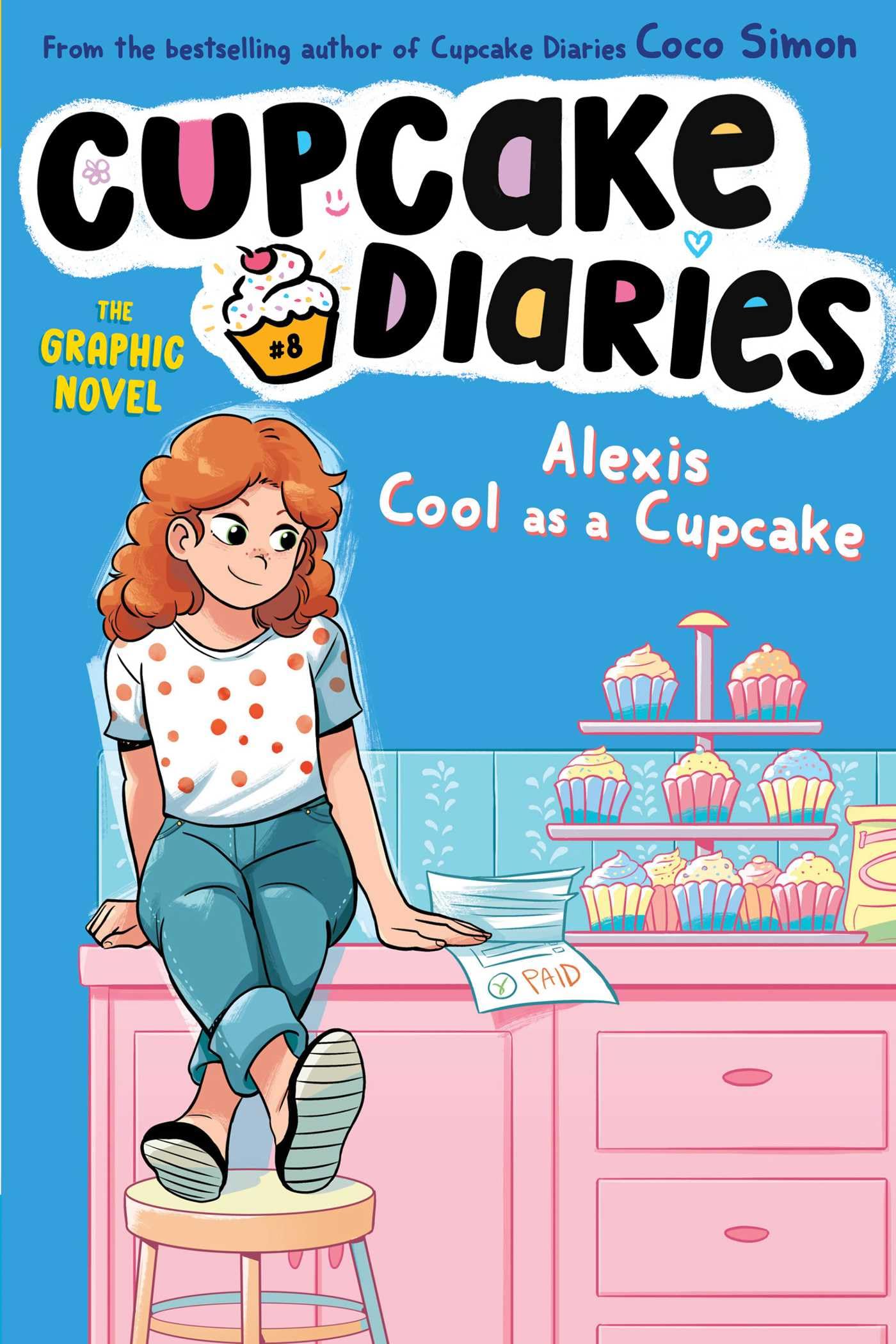
In this eighth graphic novel adaptation of Coco Simon’s popular series, Alexis is the brains behind the Cupcake Club’s operations. She manages the books, the schedules, and the supply lists, but she starts to feel like her organizational skills make her the “boring” friend compared to others. To shake off the “uncool” label and see if she is truly needed, she decides to resign from her management duties. Predictably, the club’s workflow falls into complete disarray without her guidance, leading to missed deadlines and supply shortages. For middle-grade readers between ages 8 and 12, especially those who find dense blocks of text intimidating, the graphic novel format is a significant asset. The vibrant illustrations from Glass House Graphics provide essential context for social cues and business terminology that might otherwise trip up a reluctant reader. Sentence structures are kept mostly to direct dialogue and simple compound thoughts, allowing students to focus on the interpersonal drama and the lesson about self-worth. This series has already earned a reputation for its bright energy and relatable middle-school hurdles, making it a reliable pick for building reading confidence.
Beyond the frosting and friendship, this story serves as an excellent introduction to UN SDG 8: Decent Work and Economic Growth and the IB Learner Profile attribute of being a thinker. Alexis is a natural strategist who has to learn that her analytical mind is her greatest strength, not a social liability. In a classroom setting, an educator could use Alexis’s dilemma to launch a project on entrepreneurship or labor value. Because the visual panels show the physical consequences of poor management—like empty shelves and stressed-out workers— English language learners can join the conversation about economic productivity and teamwork without needing a high-level vocabulary. It provides a clear blueprint for how young people can recognise and take ownership of their skills and advocate for their place within a group. By the final page, readers see a resolved conflict along with a model for how to lead with confidence and respect.