Despite its small population and geographical isolation from the rest of the world, Aotearoa New Zealand has made an impact in the world in many areas; its sports, culture, exports and literature have become familiar in many households in both Northern and Southern hemispheres. Though close to Australia, the landscapes and cultures are very different and New Zealanders identify with its very own unique “flavour”. Most ‘kiwis’ (people) explore beyond their shores, often tracing ancestors to different parts of the globe. It is important for students to understand its relatively recent but complex history which has been fraught with the complications and challenges of colonialism and the ongoing resistance to it and mark of it are evident right up to modern day.
Historical Context
The original Māori population lived in tribal groups for hundreds of years before the arrival of the first white settlers in the late 1700’s. The missionaries, sealers, whalers and traders were the first settlers to arrive and trade with Māori before larger groups settled permanently in the early 1800’s.
Following the signing of the Treaty of Waitangi in 1840 (between Māori chiefs and the Crown) there was large-scale immigration and colonisation. This led to further trading and economic expansion, all amidst a backdrop of conflict over land, mainly. The pioneers had a tough life, making do without the conveniences they had in their former countries and earning the name New Zealanders carry today of being innovative, creative and imaginative, traits which are reflected in many works of New Zealand writers.
Over the years, punctuated by WW1 and 2 (where New Zealand fought alongside Australia for Britain) Aotearoa developed its own distinct character, carved by the harsh lives led by its people and the landscape, also often challenging.
From the peaceful years of the 50’s society expanded as people from a myriad countries sought the many opportunities offered in the antipodes, which is reflected in the rich and diverse population today.
English as THE language
A critical issue faced Māori communities in the colonisation process: the enforcement of the English language for trading, commerce, legal documents and education. Te Reo Māori was not recognised as a language until an Act was passed by the government of the day in 1987, after a long struggle to keep the language alive. As use of Te Reo diminished, so the culture became fragmented and the gap widened between Māori and Pākeha.
Only in recent years has there been a combined effort to not only recognise the language, but to encourage its use on a day-to-day basis and develop education centres with full immersion. Being originally an oral language only, a writing system had to be developed, (using Latin script) and new words added to the language rapidly.
Although Māori writers are many, books in Te Reo are relatively few, and those are mostly aimed at young children. New Zealand students have the opportunity to learn Te Reo or one of many other languages in school; now many Asian languages are sought after as a response to the shift in population and the growing global economy.
Myths and Legends
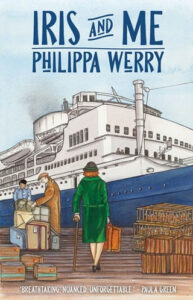
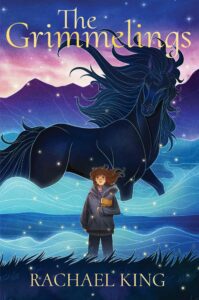
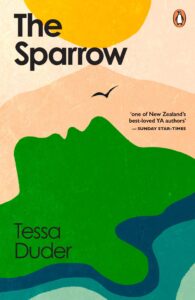
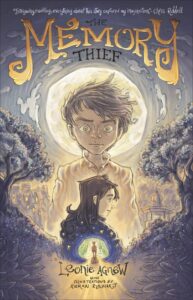
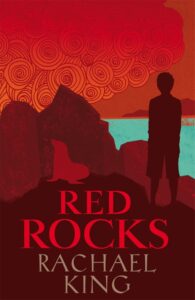
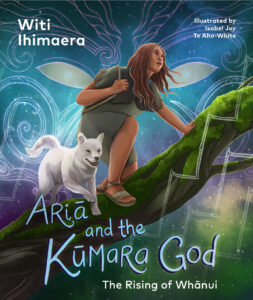
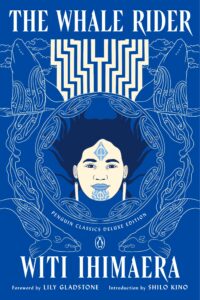
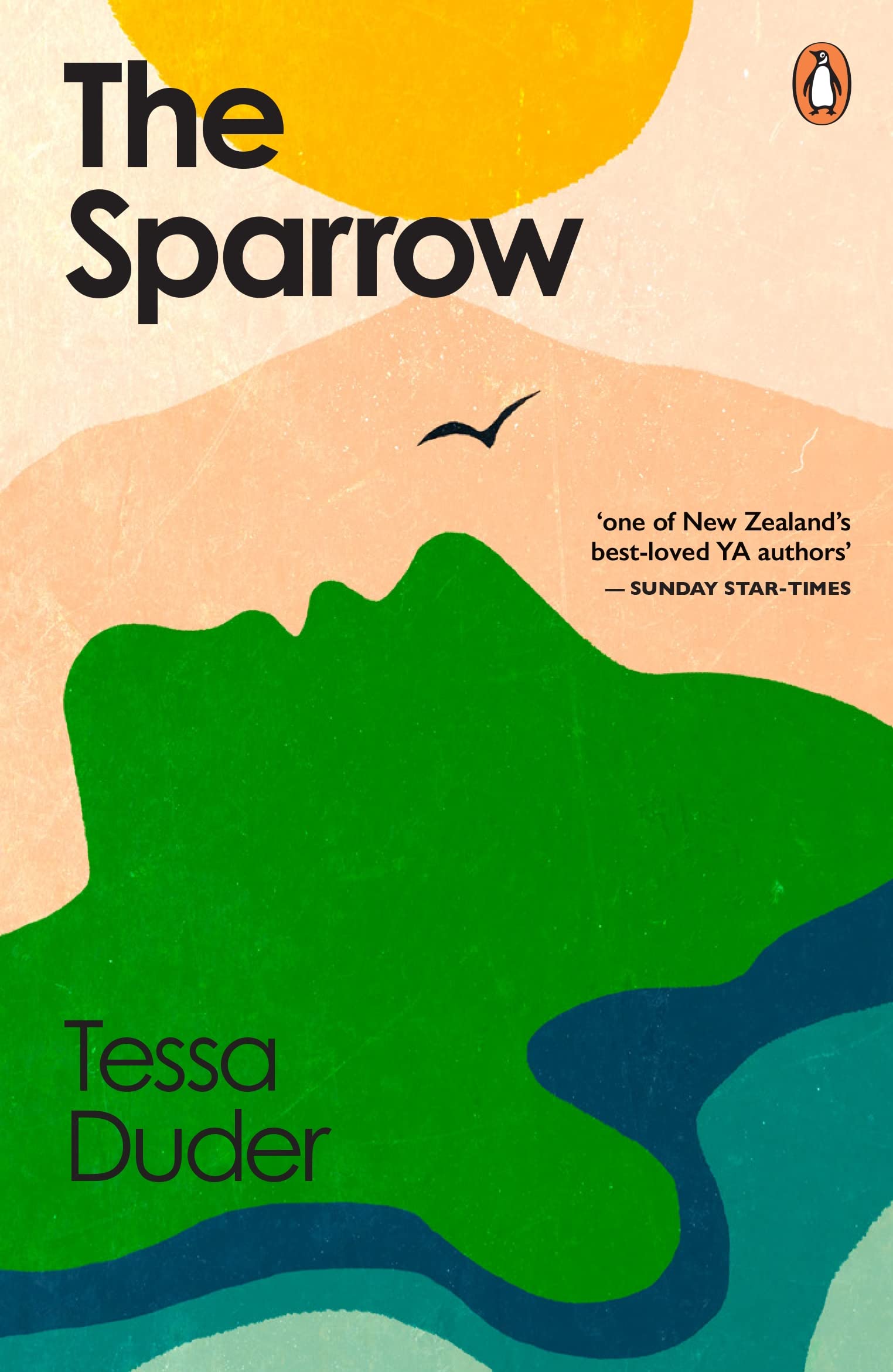
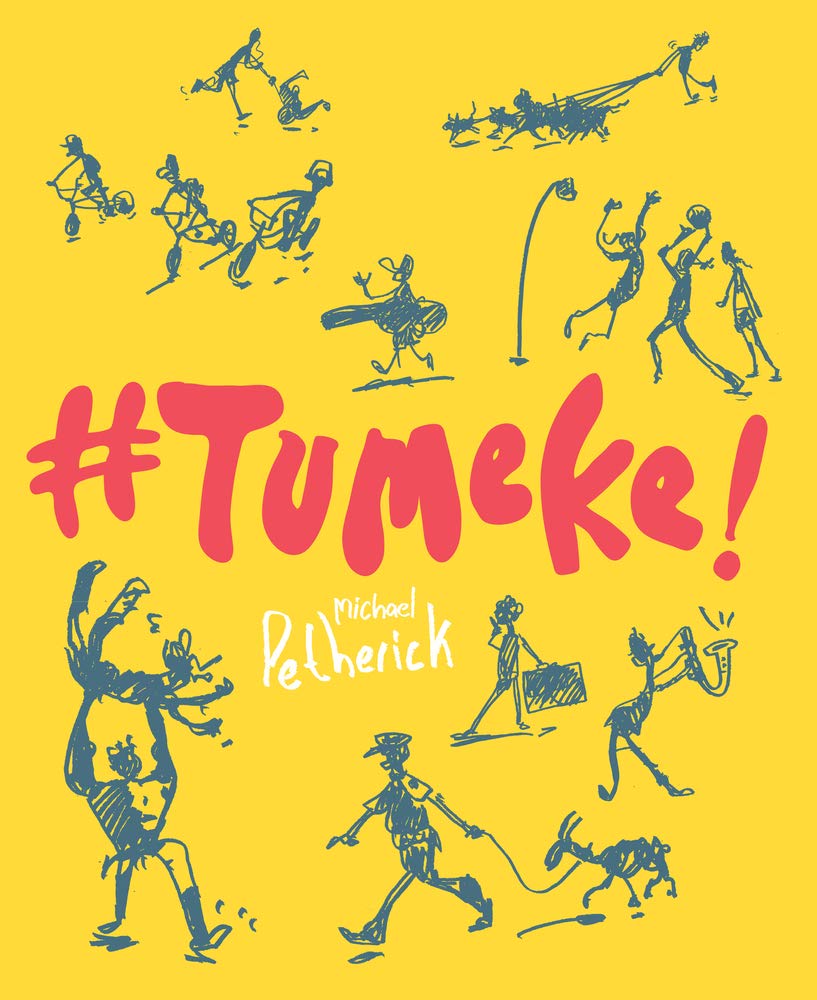
When selecting books for New Zealand children it pays to be aware that myths and legends are a popular genre, evolving from the Māori cultural influence, and this is reflected in a lot of the writing coming from New Zealand authors. New Zealand children are raised with a knowledge of the outdoors and survival, so adventure stories set in local, familiar landscapes are popular. The following is a list of well-known and read New Zealand books for middle-schoolers: