


Libraries, Belonging, and the Dignity of “Real” Books
I loved being a school librarian. It was so special to me to create a space in a school where everyone belonged. I truly believe that libraries are for everyone, and as librarians, we need to make sure that there’s a book (and a place) for every student who walks through our doors.
If you’re a librarian, I’m sure you have your own favorite story of this. The kid who found safe refuge in the library at lunch, curled up with an epic fantasy. Or the kid who absolutely refused to read, but suddenly discovered Captain Underpants and opened up a whole new world.
One group of readers often had me stumped, though: the EAL students.
I watched them wander the stacks with a look of confusion and boredom. Some of them were quite capable of speaking in English, but reading the books on our shelves was just too much for them. I’d steer them toward our EAL collection. Sometimes it was just a shelf tucked in a corner of the library; sometimes it was a separate room entirely, down in the language corridor.
Wherever it was, the unspoken message was always the same:
“The books in the main library aren’t for you. You don’t belong here yet.”
The Problem with the “Guided Reader”
Determined to help these kiddos read, I’d usually hand them a guided reader, pitched especially for their reading level. You know the ones I mean. They often have uninspired, clip-art-style covers and incredibly dull stories written to fulfill a vocabulary checklist rather than to spark genuine joy.
They aren’t real books.
These kids are often new to the school, new to the language, and desperate to fit in. Instead of creating a safe space for the very children who need it most, we hand them a flimsy paperback, and accidentally make them feel even more “othered.”
Why I Built Kibi
I wanted more for my readers. I wanted multilingual kids to walk into their library, pick up a novel from the main shelves, and feel like it was secretly written just for them.
That is why I built Kibi. I believe that accessibility should never require sacrificing real literature. Our mission is to help you find the books that give these students a sense of respect, and prove to them that the library is, and always has been, their space.
You’ll find these types of titles featured in our Kibi Bridging Reads collection. These are recently published, high-quality books available through your usual book sellers and distributors. They weren’t written specifically for EAL students—they are just good books written for everyone. But because of how the language is structured, every reader can have a go, build their stamina, and finally feel like they belong in the main stacks.
If you are looking to make your school or classroom library more diverse, inclusive, and genuinely appealing to your language learners, please take a look. You can easily build and export a wishlist right from the site to share with your librarian or book supplier.
Kibi Quick Picks
Looking for a book that makes every kid feel like they belong? Here are two fantastic, inclusive titles.
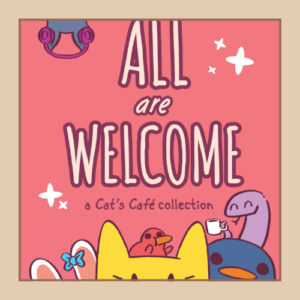 All are Welcome (Cat’s Cafe Series) by Gwen Tarpley
The dialogue is kept brief and conversational, tucked into clear speech bubbles. Instead of relying on dense paragraphs to explain internal struggles, Tarpley uses clever visual metaphors—like Rabbit floating helplessly in space to represent the weight of anxiety. Explore it on Kibi Reads
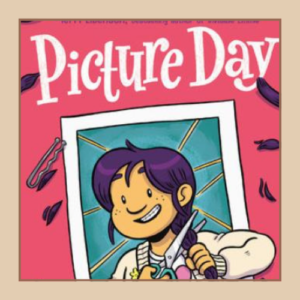 Picture Day (Brinkley Yearbooks Series) by Sarah Sax
The dialogue stays simple and direct, often using modern phrases like “glow-up” or “being extra” that kids actually use. Even if a reader doesn’t know a specific word, the expressive full-color drawings explain exactly what is happening in every scene. Explore it on Kibi Reads
We Need Your Voice
What really makes this network work, though, is your voice. Kibi is designed to be a community. If you’ve found a book that your kids absolutely loved, please leave a comment on its page! Share your thoughts, your successes, and your recommendations so we can all help our readers find a place to belong.
Join the Mission
We love to share what we’re reading, but we can’t do it alone. Here is how you can help us grow:
Share: Send this post to a parent, teacher, or librarian who is currently struggling with a reluctant reader.
Review: Have you used one of these books? Find it on our site and leave a quick comment to help other educators.
Subscribe: Click the button below to subscribe and get all the latest Kibi news, directly in your inbox.