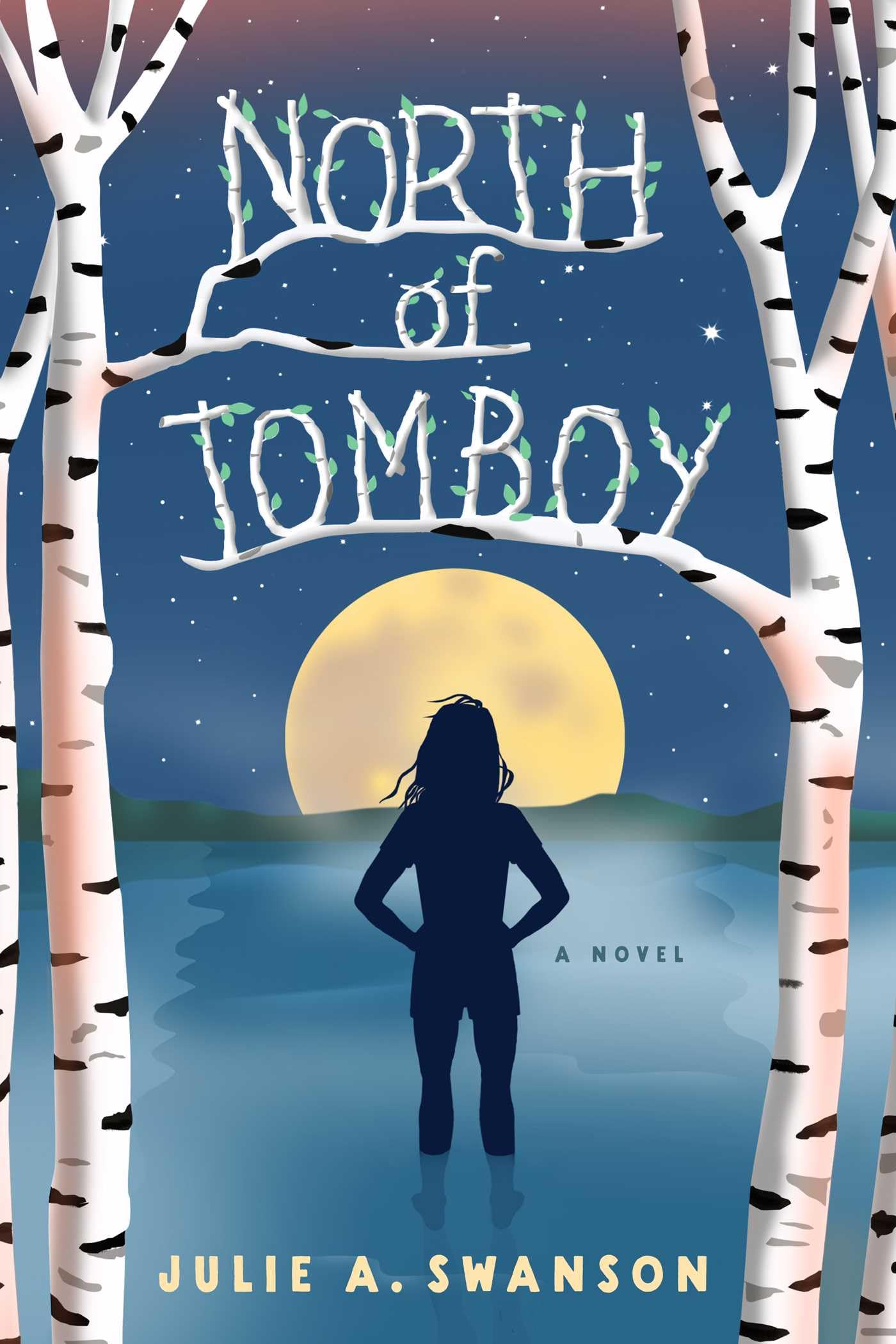
Julie A. Swanson, an award-winning author and former basketball coach, transports readers to rural Michigan in 1973 through the eyes of Jess Jezowski. Jess is a shy fourth grader who feels stifled by the frilly dresses and long hair her mother insists upon. In a bold act of quiet rebellion, Jess takes a new doll, crops its hair, and renames it Mickey. This boyish persona becomes a vital mouthpiece for Jess’s hidden desires to play sports and speak her mind without fear. North of Tomboy has earned high praise for its smart portrayal of identity, including a five-star review from Readers’ Favorite and starred recognition from Kirkus Reviews. Swanson draws on her own upbringing to create a character whose struggle to be herself feels both specific to the seventies and timeless for any child feeling hemmed in by social norms.
This novel is an excellent addition to a Changemaker library because it puts a human face on UN Sustainable Development Goal 5: Gender Equality. Jess doesn’t just wish for change; she takes a tangible step by creating Mickey to advocate for her own needs. Teachers can use Jess’s journey as a springboard for a history unit comparing 1970s social expectations with modern standards of fairness. For instance, a fourth-grade teacher might lead a class discussion on being courageous by analyzing the moment Jess decides to reveal her authentic self to her community. The story offers a perfect entry point for students to explore how personal agency can challenge outdated traditions. By watching Jess transition from using an alter ego as a shield, to standing on her own feet, students gain a clear model of what it looks like to advocate for their own identities and respect the identities of others.