What if the secret to saving the ocean was hidden inside a single sea shell?
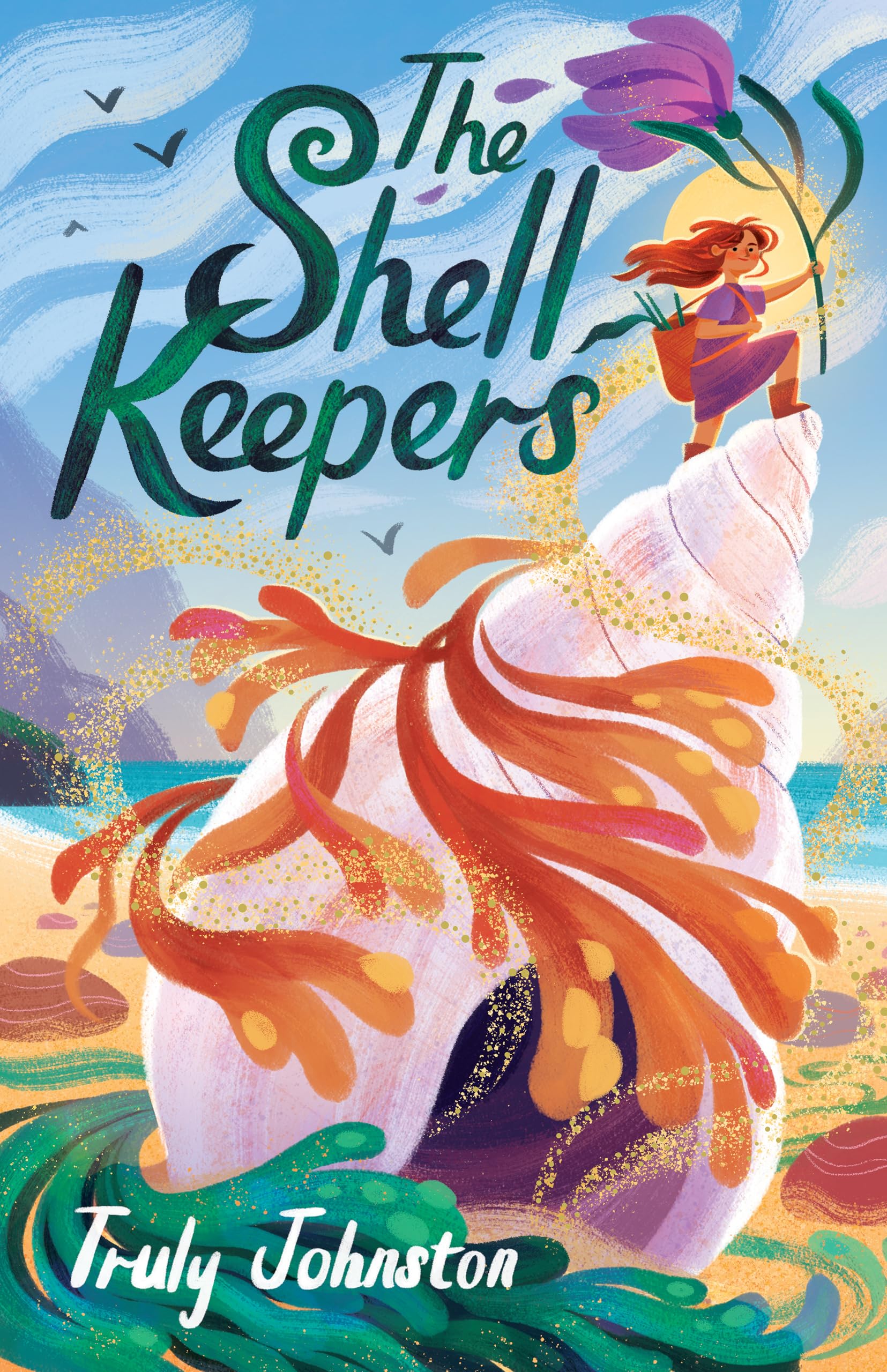
Truly Johnston’s debut middle-grade novel, The Shell Keepers, takes readers to the shores of Whiteshell Bay for a story that blends family legacy with environmental urgency. Published by Chicken House, this narrative follows young Corrine as she grapples with the recent loss of her grandfather. Her grief takes a back seat to mystery when she finds a tiny girl named Kauri living inside a sea shell. Corrine soon learns that Kauri is part of the Democonch, a miniature people who dedicate their lives to protecting marine ecosystems from harm. Corrine and her cousins must decipher a series of intricate puzzles left by her late grandfather—who was a Shell Keeper himself—to stop a looming threat that could destroy the bay before the tides turn against them. This imaginative tale won the 2022 Bath Children’s Novel Award and has earned high praise for its ability to ground high-stakes ecological themes in a relatable, character-driven adventure.
This book fits perfectly into a classroom library focused on environmental stewardship and global responsibility. It aligns directly with UN Sustainable Development Goal 14: Life Below Water, illustrating the fragile balance of marine habitats and the hidden ways human activity impacts the ocean. In an IB setting, Corrine and her cousins exemplify the caring attribute of the Learner Profile, showing that empathy for nature requires active protection rather than just passive observation. Teachers can use the protagonist’s journey as a springboard for a Grade 5 science unit on coastal ecosystems or a hands-on conservation project. For instance, after reading about the Democonch’s struggle, students might research local marine issues or organize a shoreline cleanup to see the real-world version of Corrine’s mission. Students could write their own stories imagining partnerships between humans and microorganisms to solve different environmental problems. The story moves beyond abstract talk about the planet by giving students a clear model of agency, proving that even young people can step up when their local environment is under threat.