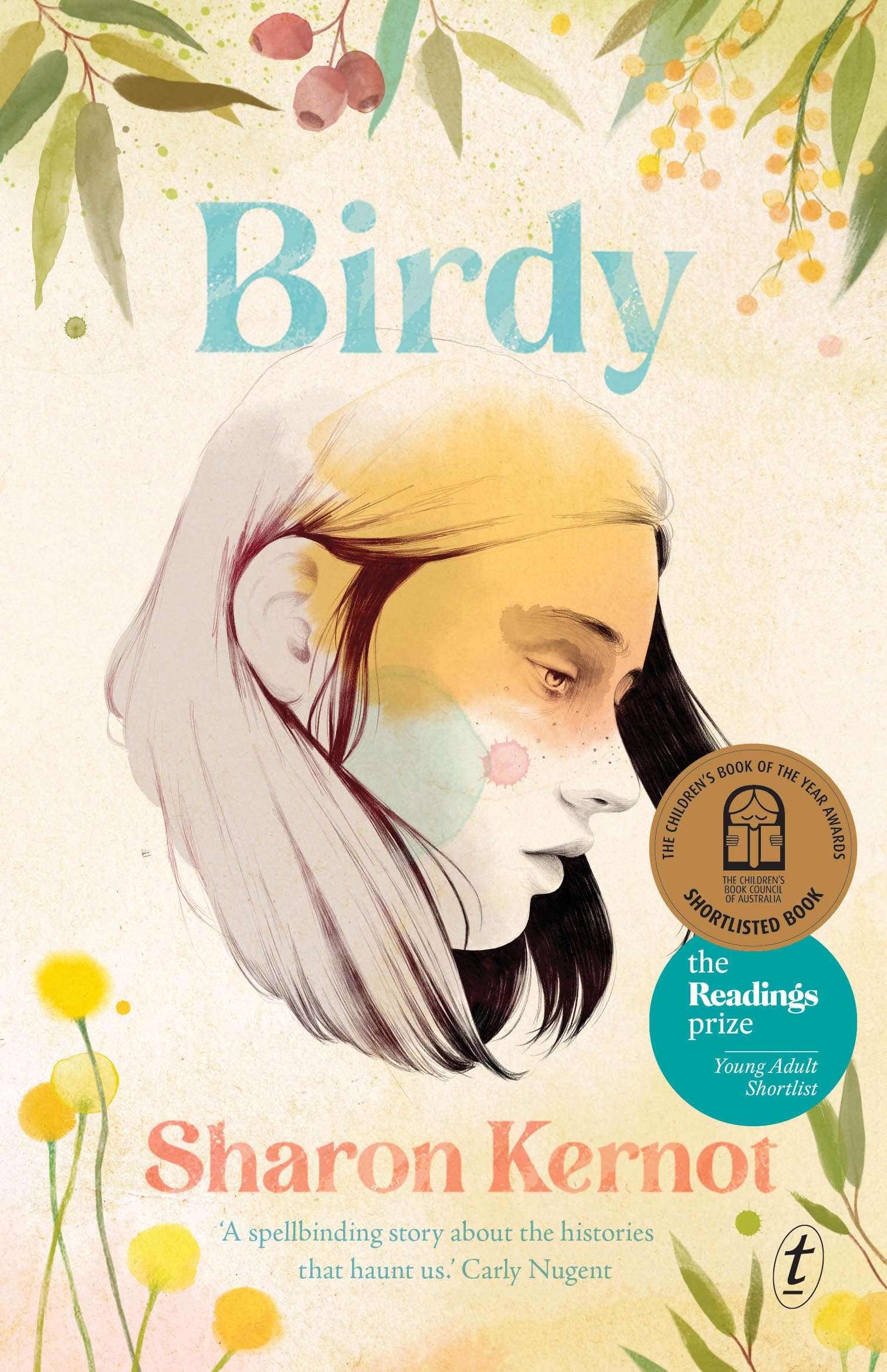
Sharon Kernot’s Birdy is a poignant verse novel that follows Maddy, a teenage girl who has become selectively mute after a traumatic experience. To help her recover, Maddy’s family moves to a quiet farmhouse in a rural town, where she encounters Alice, an elderly neighbor who has spent forty-five years waiting for her missing daughter, Birdy, to come home. As Maddy discovers an old diary and grows closer to Alice, she begins to find a path through her own silence. Aimed at readers aged 13 and up, this book is an ideal choice for students who might feel overwhelmed by traditional novels. The verse format creates a welcoming layout with plenty of white space, and the poems themselves often take on visual shapes—like a tornado representing the weather—to help ground the reader in the story’s atmosphere. Kernot uses clear, evocative language and avoids dense idiomatic expressions, ensuring that the emotional weight of the story is felt through its simplicity. This approachable design is part of why the book earned high praise, including being named the CBCA Shadow Judging Book of the Year for Older Readers.
As a classroom resource, Birdy stands out for its direct alignment with UN SDG 3: Good Health and Well-being and the IB Learner Profile trait of being caring. It tackles the complexities of trauma and anxiety with a gentle touch, offering students a way to discuss mental health without feeling lectured to. In a classroom setting, Maddy and Alice’s relationship might be used to talk about empathy and intergenerational connection, or students might research selective mutism to build a more inclusive school culture. The beauty of the verse novel is that it allows every student, including those still building their English proficiency, to participate in high-level discussions about grief and recovery. Because the text mimics the natural rhythm of thought and speech, readers can focus on the characters’ growth rather than struggling with sentence structure. By the end of the book, Maddy’s active role in her own therapy provides a clear example of agency, showing students that taking small steps toward well-being is a powerful form of action. It is a rare find that pairs such a high level of interest with such manageable readability.