Be aware:
Windows and Mirrors: Thai Literature in Your Classroom Library
Thailand is a beautiful country in Southeast Asia, with sparkling beaches, lush forests, and ancient temples. For thousands of years, Thailand (once called Siam) has been home to a rich culture where poetry and storytelling play important roles. Thai literature has a special history – unlike Chinese or Japanese traditions, Thai writers created many epic poems and long tales. These stories were so powerful that they influenced the literature of neighboring countries like Cambodia and Burma.
Thai literature reflects the blend of history, culture, religion, and worldviews of the Thai people. From ancient stone inscriptions to modern novels, Thai books offer students both windows into a fascinating world and mirrors for those with Thai heritage. By including these diverse stories in your classroom library, you help all students develop a broader understanding of our global community.
Language Considerations
Thai is the official language of Thailand, and almost all Thai literature is written in this language. The Thai writing system is special and unique! Unlike English, which uses an alphabet, Thai uses what linguists call an “abugida” – a system where consonants include vowel sounds. The Thai script has 44 consonant symbols and 16 vowel symbols that combine into at least 32 vowel forms, plus special marks to show tones.
Thai is actually the first writing system in the world that invented tone markers! This means that changing the tone of your voice when speaking can completely change what a word means. The Thai writing system developed from older scripts, with tradition saying that King Ramkhamhaeng created it in 1283. When reading Thai, you go from left to right, but vowels can appear above, below, to the left, or to the right of consonants. Another interesting fact is that Thai writing doesn’t use spaces between words or punctuation like we do in English.
Many Thai children’s books have been translated into English, making them more accessible for your classroom. However, authentic books in Thai can still be valuable even for non-Thai speakers, especially illustrated works that help students appreciate the beautiful Thai script.
Cultural and Historical Context
Thai literature has deep historical roots. Before the 19th century, most creative writing was done in poetry, with many different poetic forms. Prose was mainly used for historical records and legal documents. One of the earliest examples of Thai literature is the Ramkhamhaeng inscription from 1292, which describes life during that time.
The classical period of Thai literature was during the Ayutthaya kingdom (1351-1767). Many important works were created then, including religious stories, romantic tales, and historical accounts. Sadly, when the city of Ayutthaya was destroyed in 1767, many literary works were lost. Later, during the Bangkok period, kings helped revive and restore important works.
Thai kings historically encouraged literature, and many were writers themselves! Thai literature often reflects Buddhist values and teachings, which are central to Thai culture. Stories frequently explore themes of kindness, respect for elders, the importance of family bonds, and spiritual journeys. These values shape the literary landscape and provide insight into Thai worldviews.
In Thai schools, literature plays an important role in education, with students learning both classical works and modern stories. Poetry remains especially valued, with traditional forms still being taught and celebrated today.
Practical Classroom Implications
When introducing Thai literature to your classroom:
- Start with folktales that have universal themes students can relate to. Stories about clever tricksters, brave heroes, and magical journeys appear in many cultures, making them perfect entry points.
- Use picture books that showcase Thai settings, traditions, and daily life as windows into another culture. Look for books that accurately represent Thai culture rather than stereotypical portrayals.
- For students with Thai heritage, provide books that reflect their cultural background, supporting their home language development and helping them feel valued.
- Create reading partnerships where students who might have knowledge of Thai culture can help their peers understand cultural references that might be unfamiliar.
- Compare Thai stories with similar tales from other cultures to help students discover connections between different storytelling traditions.
- Use Thai literature to discuss the importance of tone in language. Even students who don’t speak Thai can learn about how changing the tone of their voice affects meaning in communication.
By including Thai literature in your classroom library, you open windows to a fascinating culture while providing mirrors for students with Thai connections. These stories will enrich your classroom with new perspectives and build understanding of our diverse world.
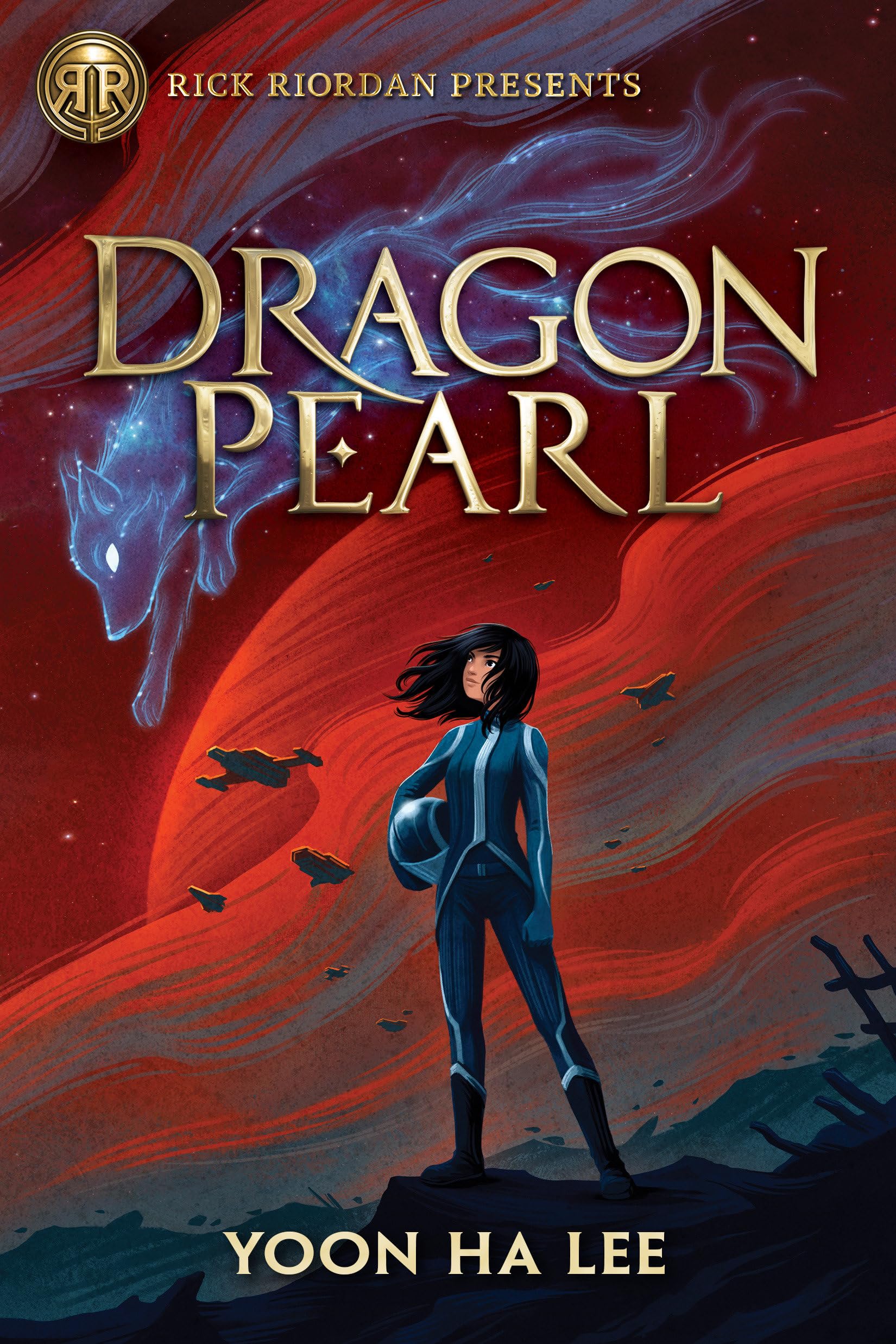
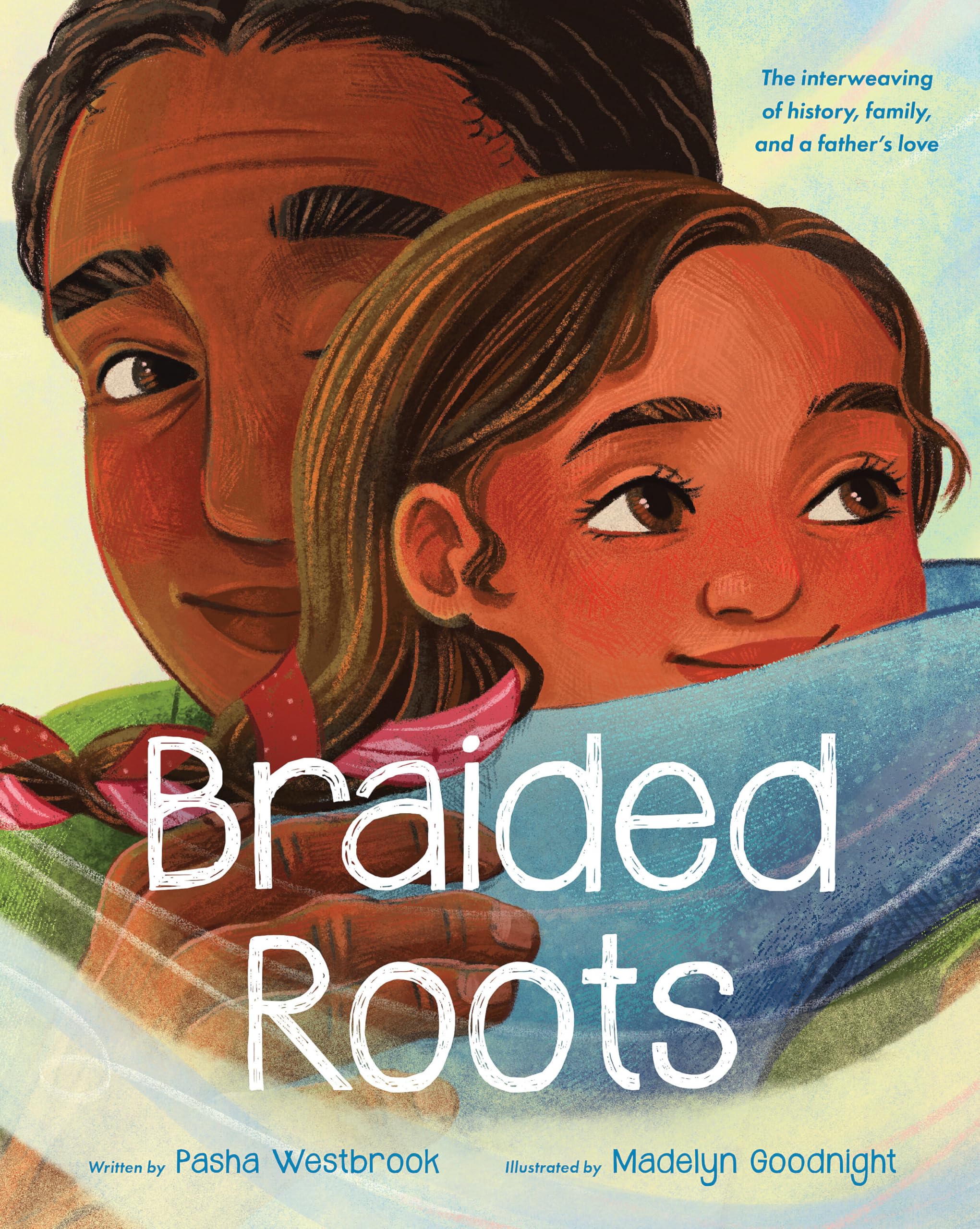
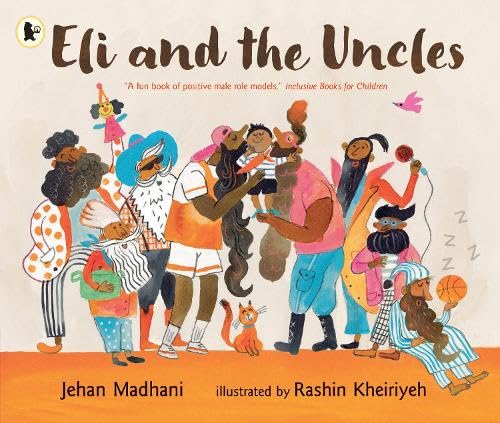
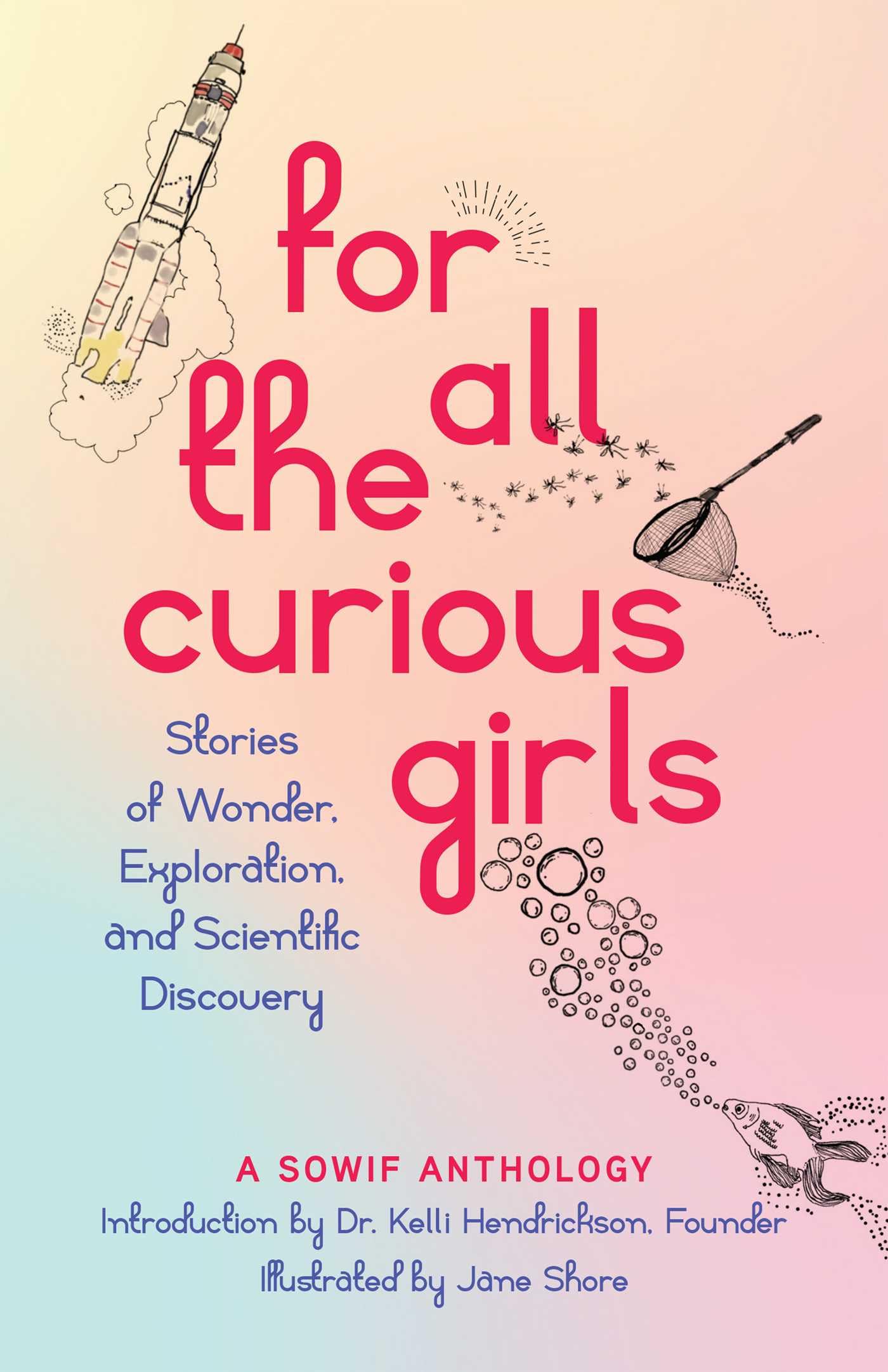
Books by and books for:
These books are by prominent Thailand authors and are considered essential reading for young Vietnamese people.